Where Baseball’s Best Are Born: Rural vs. Urban Origins of MLB Greatness
If you think about playing America’s pastime, the mind goes to a few childhood settings. Maybe you’re meeting up with friends in a pastoral suburb with a ballfield a short bike ride away, just like The Sandlot. Maybe you’re playing stickball and dodging traffic on a busy city street. Or maybe your backyard doubles as a ballfield on the edge of a farm, and in between chores you’re getting a quick game of catch in.
To move from vibes to data, we started with a simple question: are baseball’s greatest players more likely to be born in small towns or big cities? Using our full MLB geodata set, we tagged each player’s birthplace as Urban or Rural with a population-based model inspired by the U.S. Census.
How we classified it: cities with populations of at least 25,000 or locations within a metropolitan area of at least 50,000 people were designated Urban; smaller independent towns were designated Rural. Then we filtered down to players with 40 career WAR or more and started asking questions.
What the numbers say
Here’s a quick visual tour of what we found when we split out baseball’s elite by birthplace type.
Most MLB legends are born in small towns
Most elite MLB players historically come from rural places. 66% of players in baseball history with 40 career WAR and above are from rural places.
Brooklyn is baseball’s historic hometown
While rural places win historically, Brooklyn is the baseball mecca. 56 players with 40 WAR or higher in baseball history are from Brooklyn.
Pitchers skew even more rural than hitters
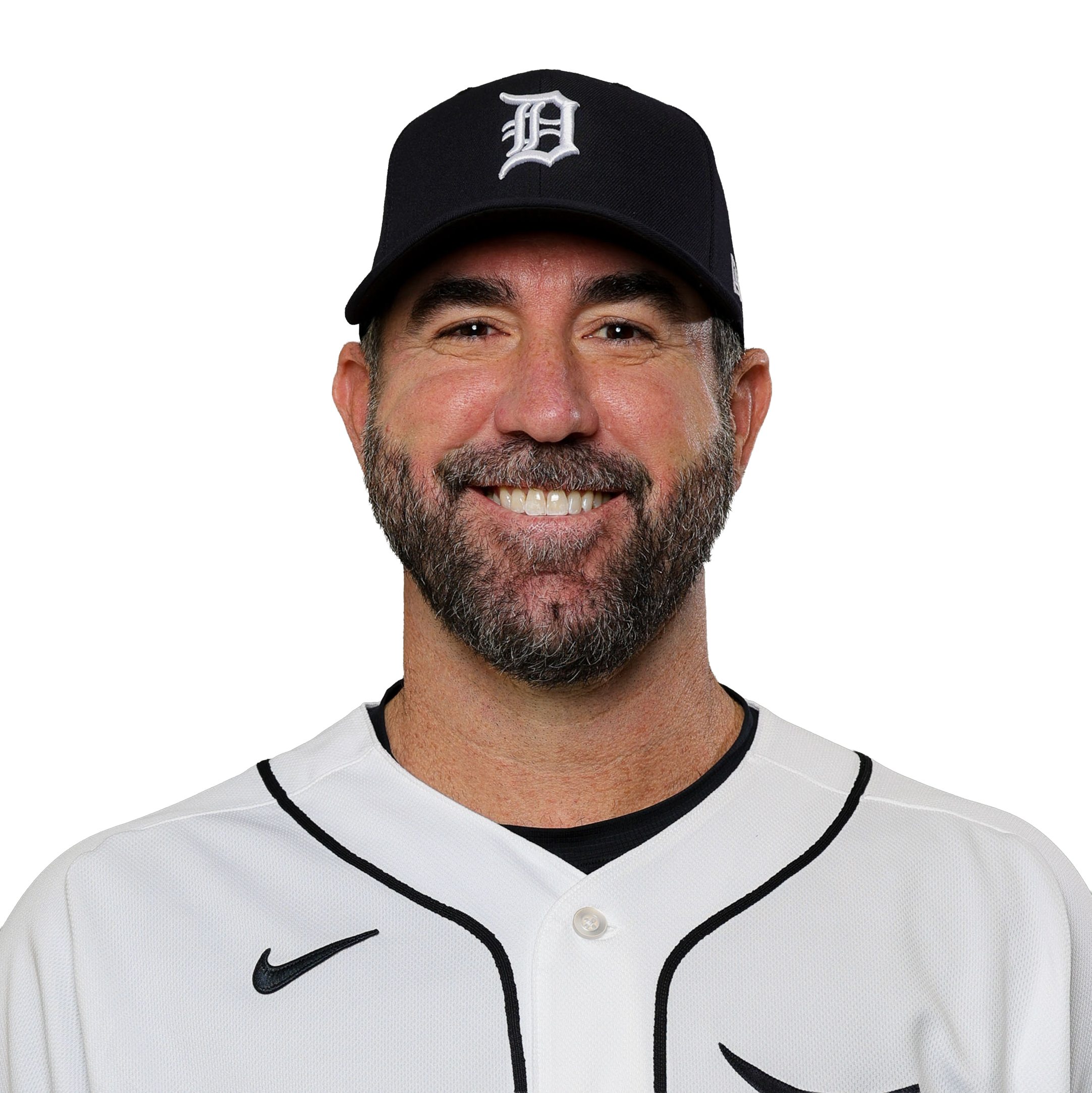
Elite hitters and pitchers skew more rural than urban (like Justin Verlander from Manakin-Sabot, Virginia — an unincorporated community in Goochland County with a population of about 4,600 as of the 2010 census), but pitchers have a slightly greater edge. 69.6% of Pitchers are from rural areas, while 64% of hitters are from rural areas.
Urban stars hit and strike out more
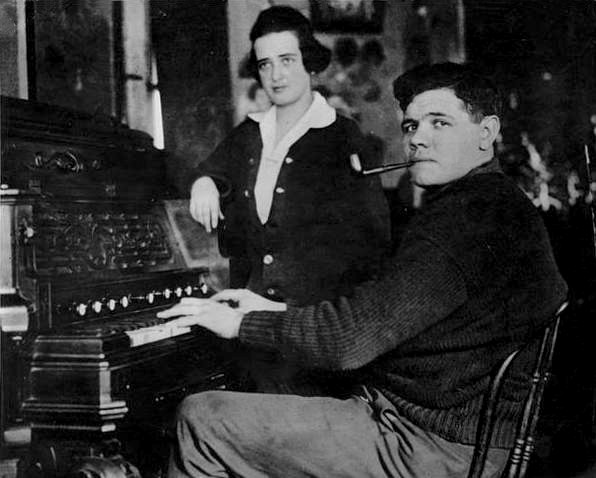
Urban born elite hitters hit more HR on average. Urban hitters with over 40 WAR hit on average 232.5 HR while Rural hitters hit 203.5 homeruns. It helps when Babe Ruth (Baltimore, MD - population 585,708) and Aaron Judge (Linden, NJ - population 43,738) are both in the Urban category.
For pitchers with 40+ WAR, urban-born arms rack up a bit more strikeouts on average.
Urban born elite pitchers strike out more batters on average. If you look at pitchers with over 40 WAR who are born in urban areas, they strike out on average 1762 players in their career. Whereas rural players are closer to 1700.
Rural births dominate the whole talent pool
Replacement-level or worse players show nearly the same rural/urban split as the 40+ WAR legends.
The distribution for replacement-level players is very similar to elite players. 66.9% of rural players with Career WARS at 0 or less are from rural areas, similar to our “Career WAR over 40” total. Rural births dominate the pool of all MLB players historically.
So what does it mean for small-town athletes?

The point isn’t that rural towns are magic or that cities can’t develop stars. It’s that the MLB pipeline pulls from very different environments. Big cities offer year-round reps, travel teams, and dense competition. Smaller towns offer more chances to be the go-to arm or bat, more innings, and fewer kids fighting for the same lineup spot.
If you’re an athlete from a small town of around 25,000 people and you’re not sure what sport to pick, baseball is as good a bet as any—and the pay at the very top isn’t too bad either.